Published by Christopher J. Holley | Mopar History & Tech | June 2025
In the golden era of American muscle, where cubic inches reigned, and chrome was king, the 1968 Plymouth Road Runner barreled onto the scene with a single mission: to deliver no-frills, high-octane performance at a blue-collar price. While many era muscle cars became bloated with luxury features and ever-higher price tags, the Road Runner stayed true to its namesake—light, fast, and ready to run. In doing so, it did not just capture the imagination of gearheads; it redefined what a muscle car could be.
The Birth of a Legend
By the late 1960s, the muscle car market had exploded. Pontiac’s GTO had kicked off the craze in 1964, and soon, every American manufacturer was fighting for a piece of the action. However, as the segment matured, many cars became heavier, more expensive, and loaded with creature comforts. That is when Plymouth—a division of Chrysler—made a bold move.
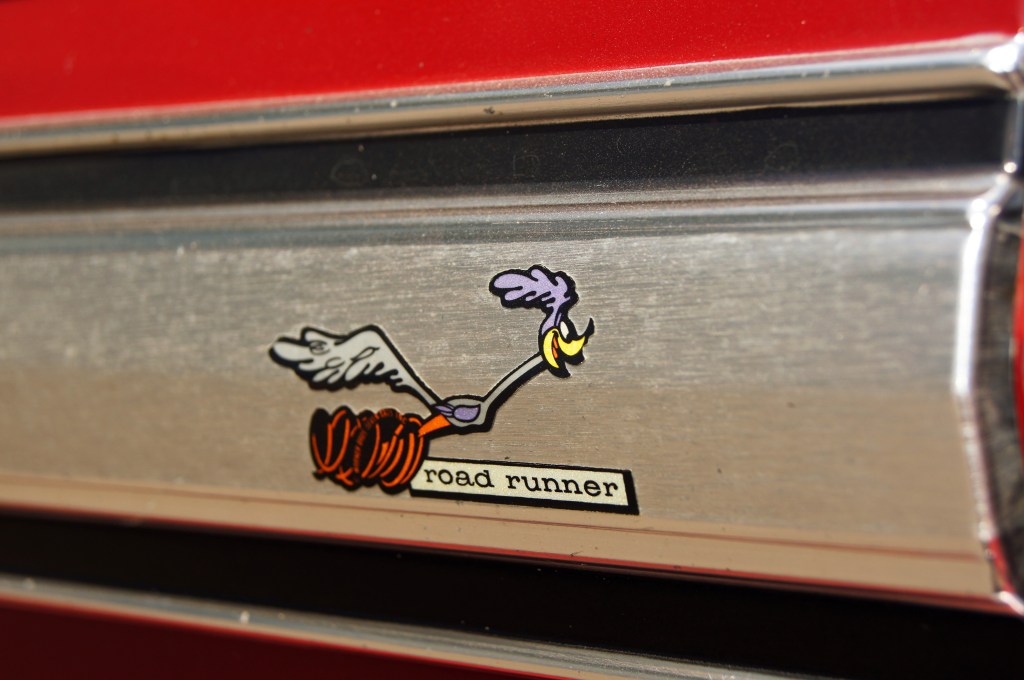
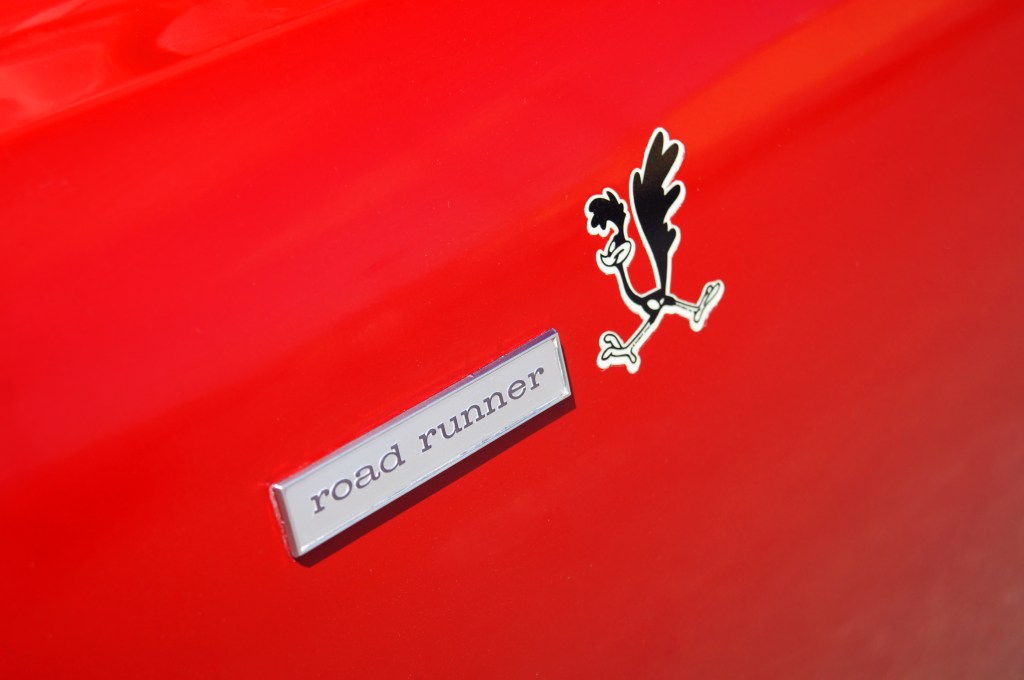
Inspired by Warner Brothers’ cartoon character, Plymouth licensed the “Road Runner” name and even paid $50,000 to use the “beep beep” horn sound. The goal was to create a stripped-down, budget-friendly performance car that could appeal to younger buyers who wanted raw power without paying for bells and whistles.
Styling and Design
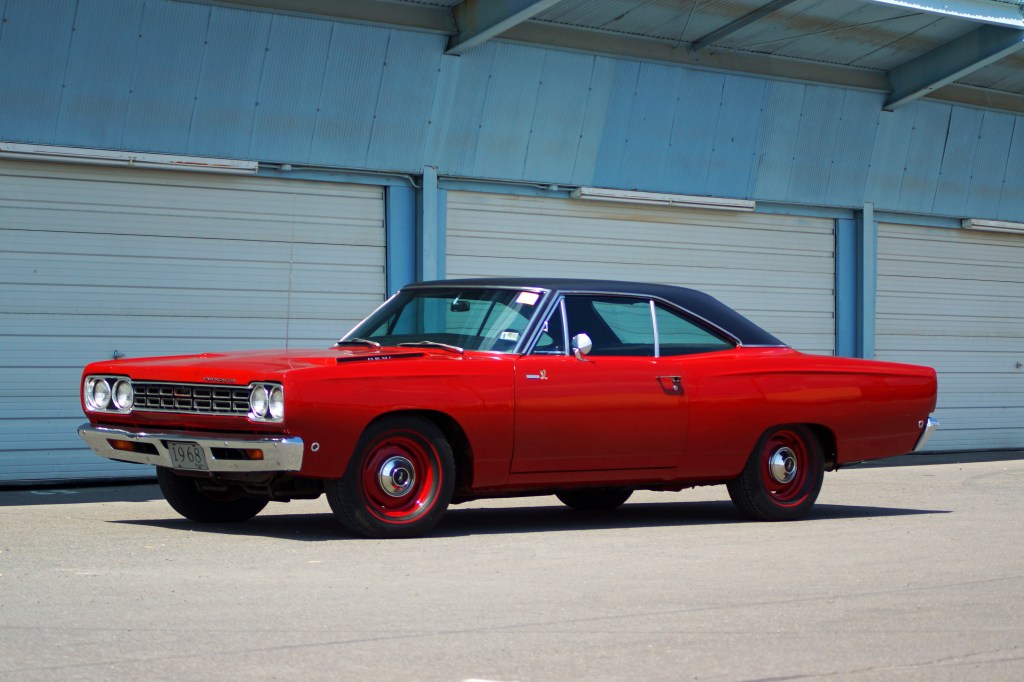
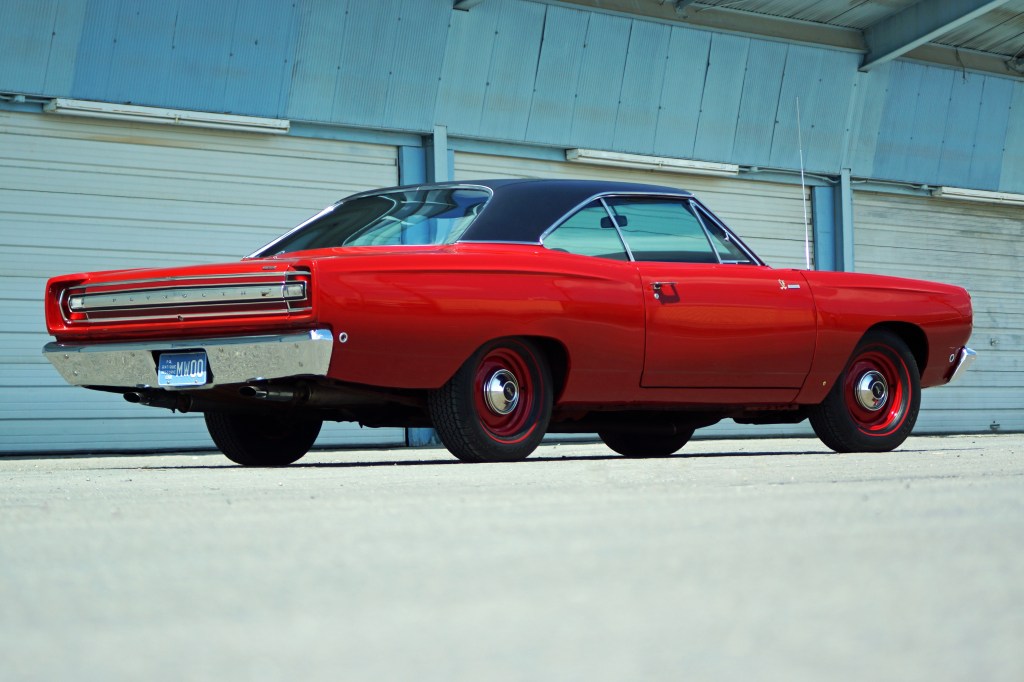
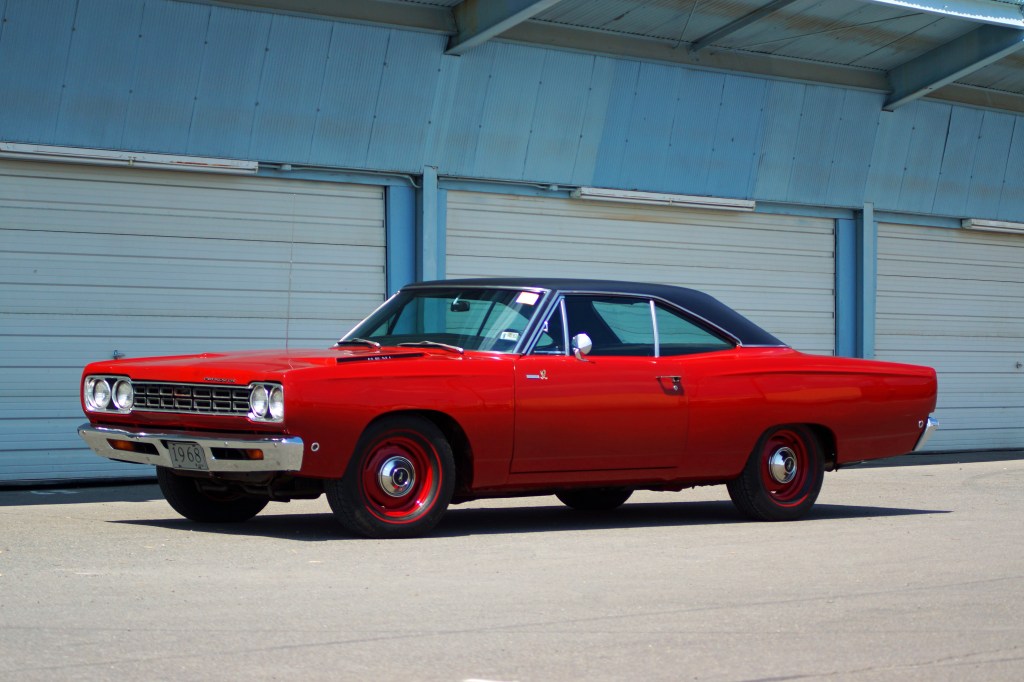
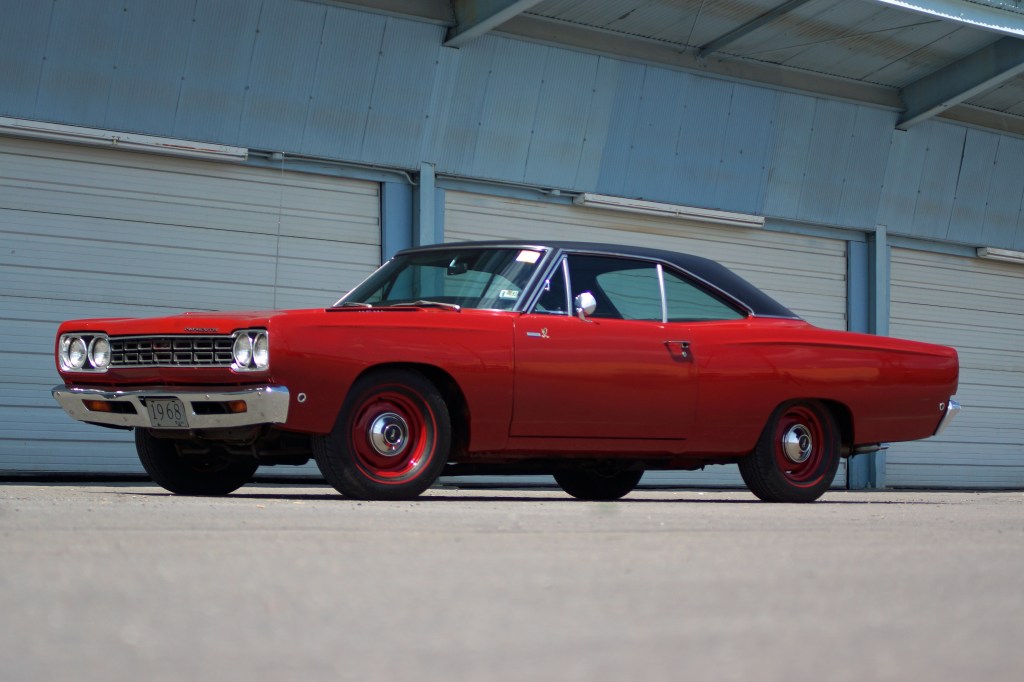
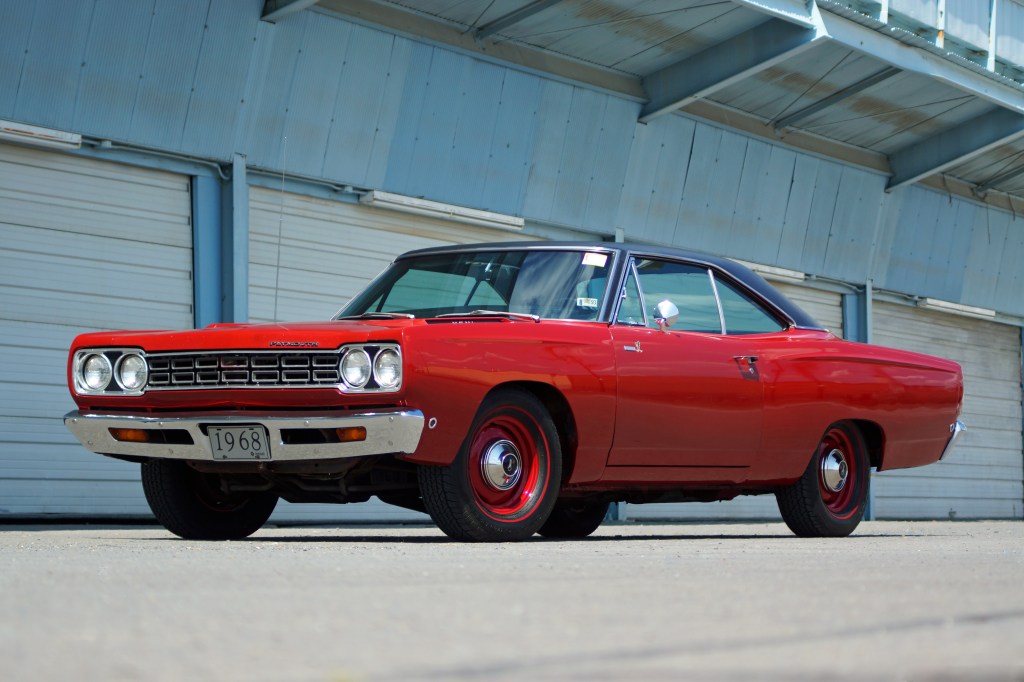
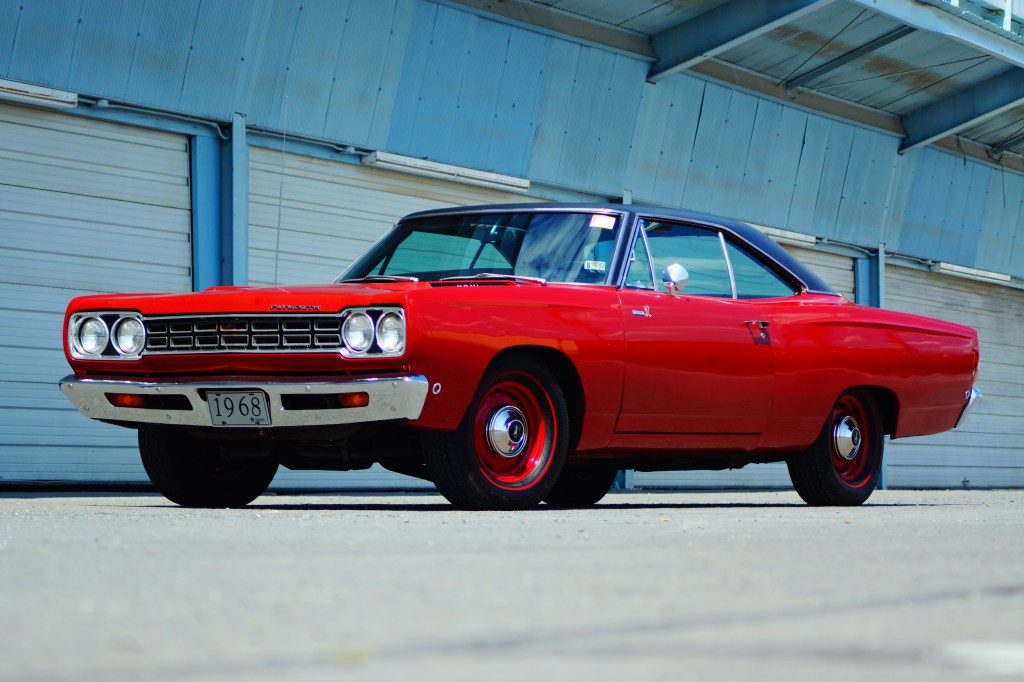
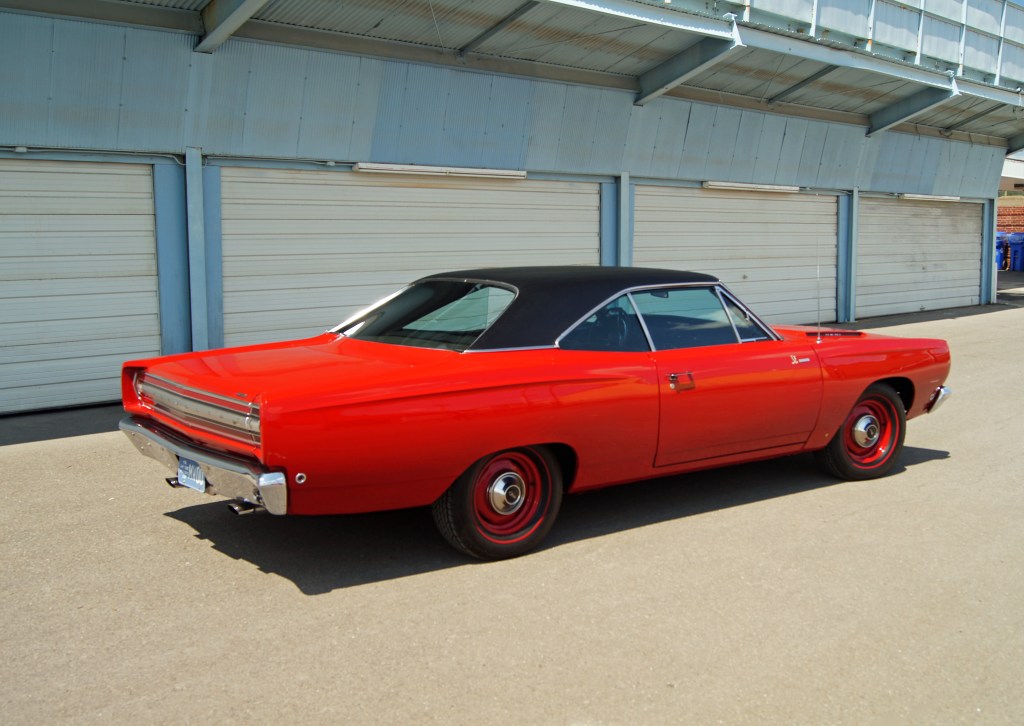
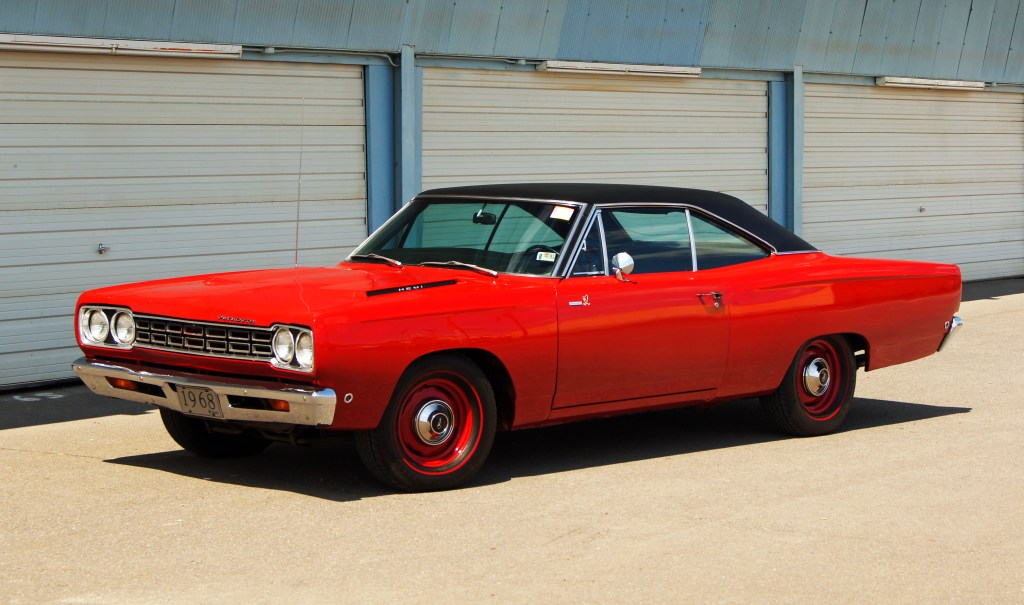
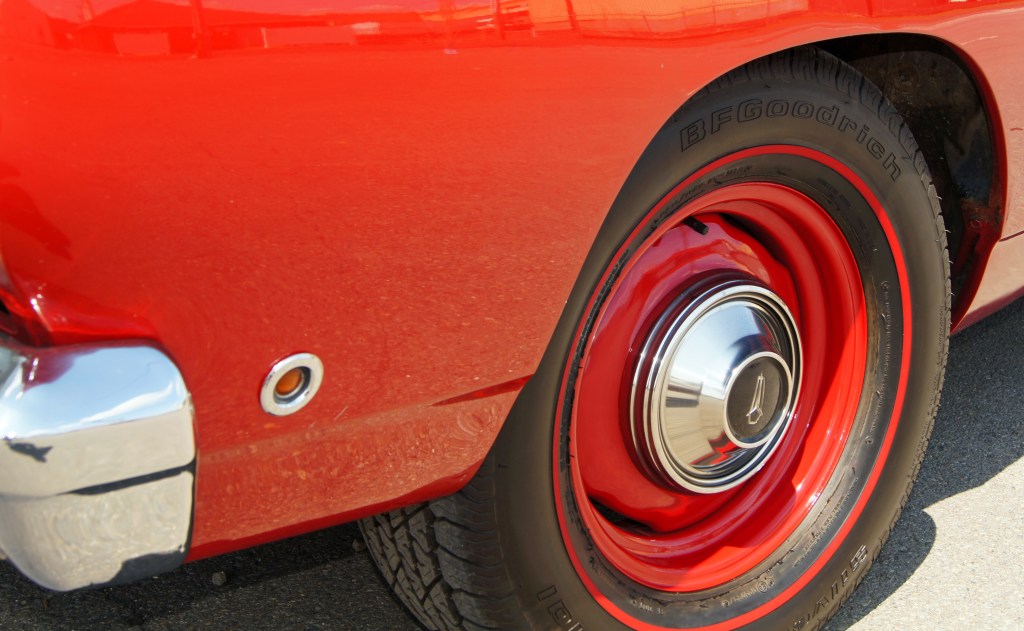
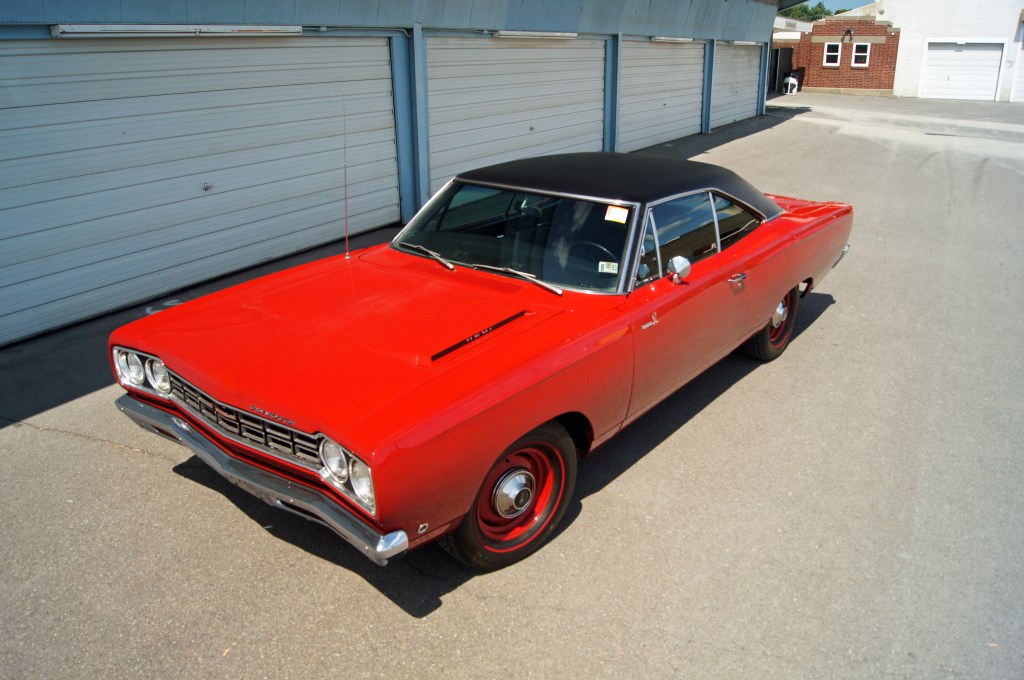
The 1968 Road Runner debuted on the mid-size B-body platform shared with the Belvedere and Satellite. From the outside, the design was straightforward and aggressive, with crisp lines, minimal chrome, and a no-nonsense look. The wide stance, bold grille, and subtle badging let you know this car meant business without shouting about it.
Initially offered as a two-door coupe with a post (B-pillar) for added structural rigidity, the Road Runner was joined later that year by a hardtop version. A convertible would arrive in later years, but for ’68, the focus was on simplicity.
Though it was not dripping with flash like a Pontiac GTO or Oldsmobile 442, the Road Runner had its streetfighter charm. The simulated air scoops, dark-toned grille, and optional Performance Hood Blackout paint gave it a muscular, ready-to-rumble aesthetic.
Performance and Powertrain
The heart of any muscle car is its engine, and here, the 1968 Road Runner delivered in spades.
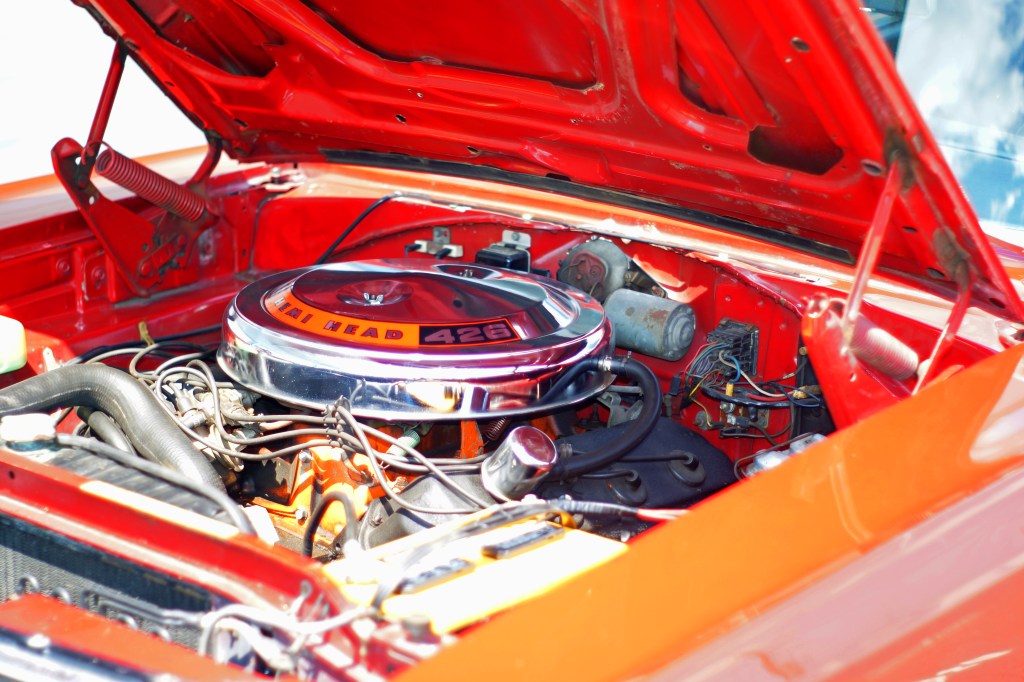
Standard was a 383 cubic inch (6.3L) V8. It was not just a detuned grocery-getter big block; Chrysler engineers gave it a hotter camshaft, freer-breathing heads, and a four-barrel carburetor. It produced a stout 335 horsepower and 425 lb.-ft of torque, making the base Road Runner faster than many higher-priced competitors.
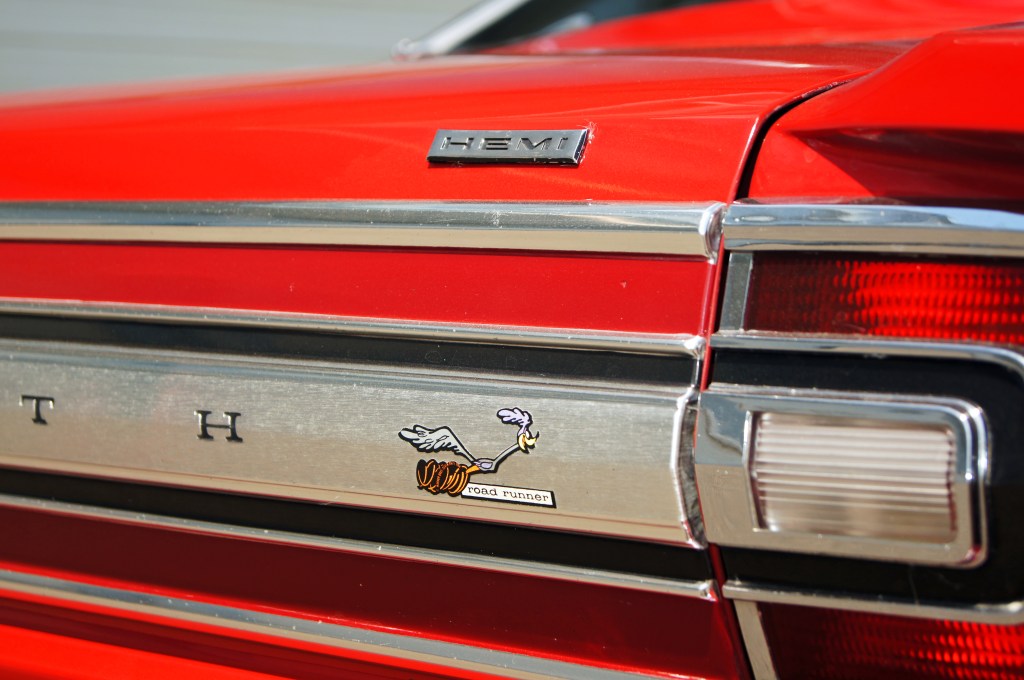
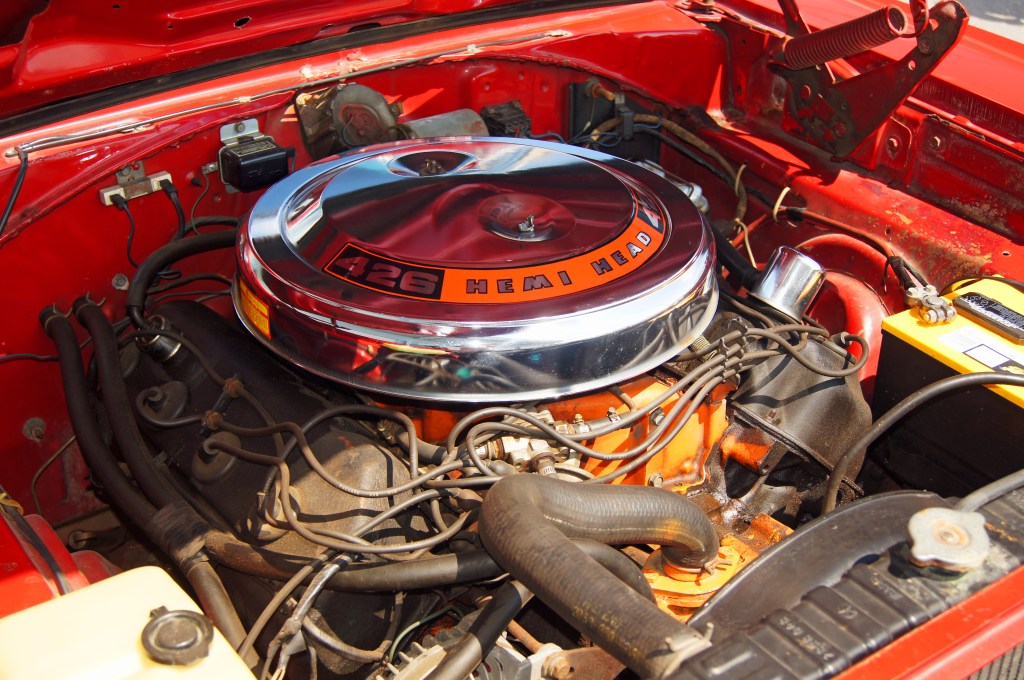
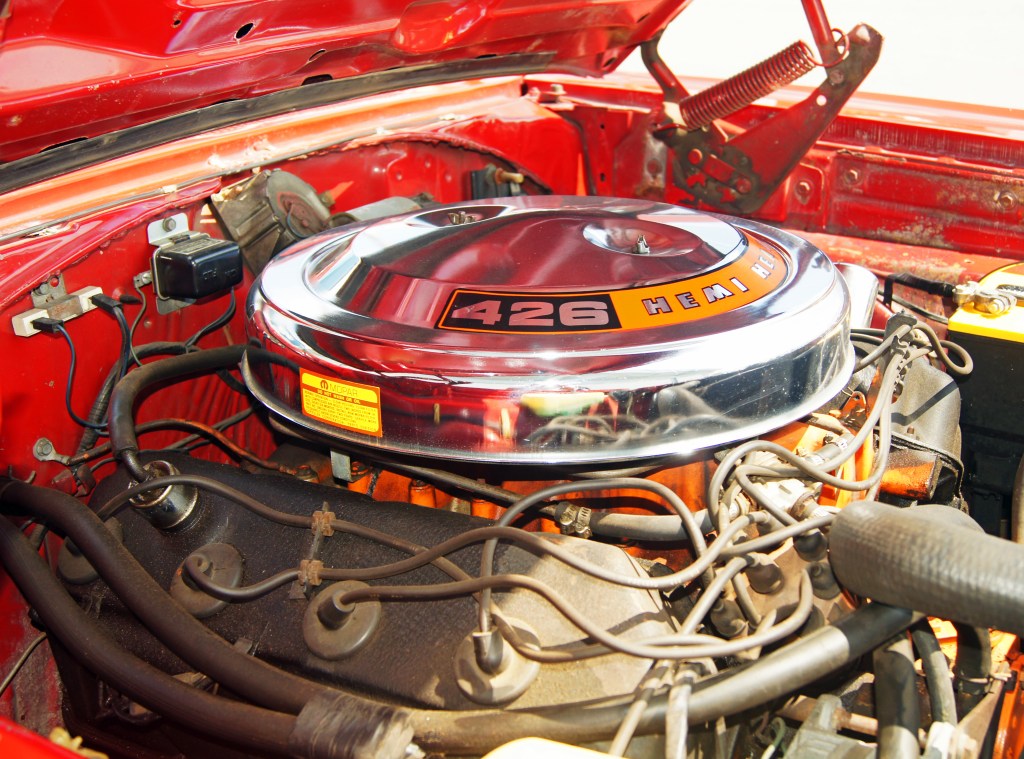
But for those who wanted to dominate the drag strip, Plymouth offered the legendary 426 HEMI as an option. This monster engine, producing 425 horsepower, was the stuff of legend. With dual Carter AFB four-barrels and hemispherical combustion chambers, the HEMI could rocket the Road Runner down the quarter mile in the low 13-second range—outrunning almost anything short of a race car.
Transmission choices included a three-speed manual, a four-speed manual with a Hurst shifter (Inland shifter in early models), and the rugged Torqueflite 727 automatic. Buyers could also choose from various axle ratios, including performance-geared 3.91 or 4.10 rear ends.
Driving Experience
Behind the wheel, the 1968 Road Runner was loud, raw, and unfiltered—in the best way possible. It was designed to be a street brawler, not a grand tourer. The heavy-duty suspension and minimal sound insulation ensured you felt every crack in the pavement and heard every pop from the exhaust.
Acceleration was ferocious, especially with the 426 HEMI. Even with the base 383, 0–60 mph could be achieved in under seven seconds, putting it in the same league as more expensive muscle machines.
Handling was not the Road Runner’s strongest suit, but that was not the point. With its firm leaf-spring rear suspension and heavy front end, it preferred straight lines over twisty roads. However, the quick steering, solid brakes (front discs optional), and lack of body roll made it more capable than its price suggested.
Interior and Features
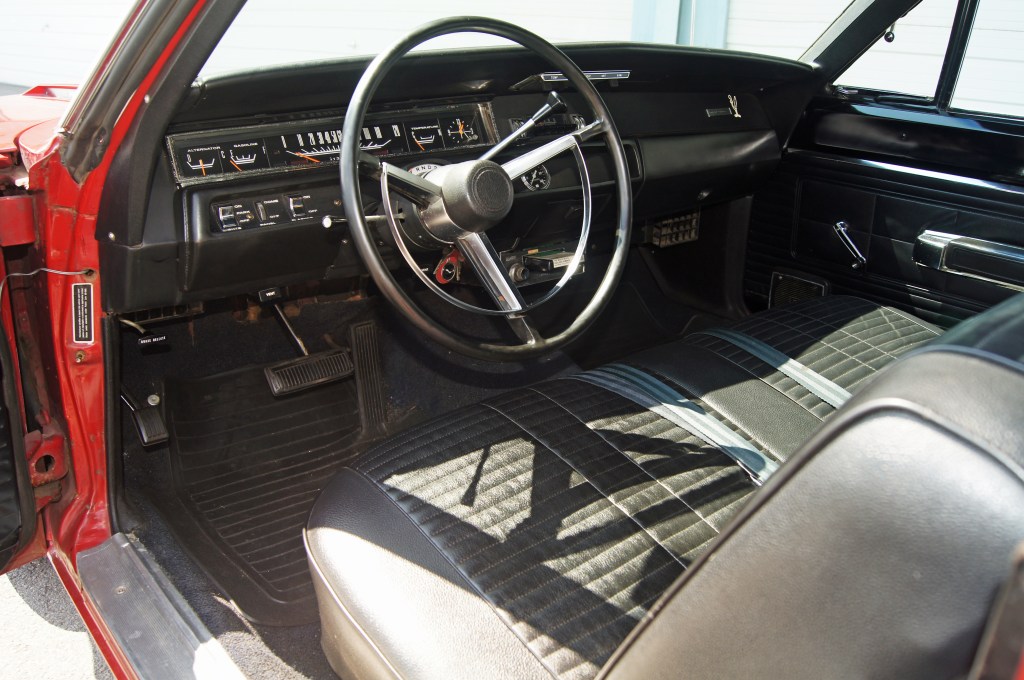
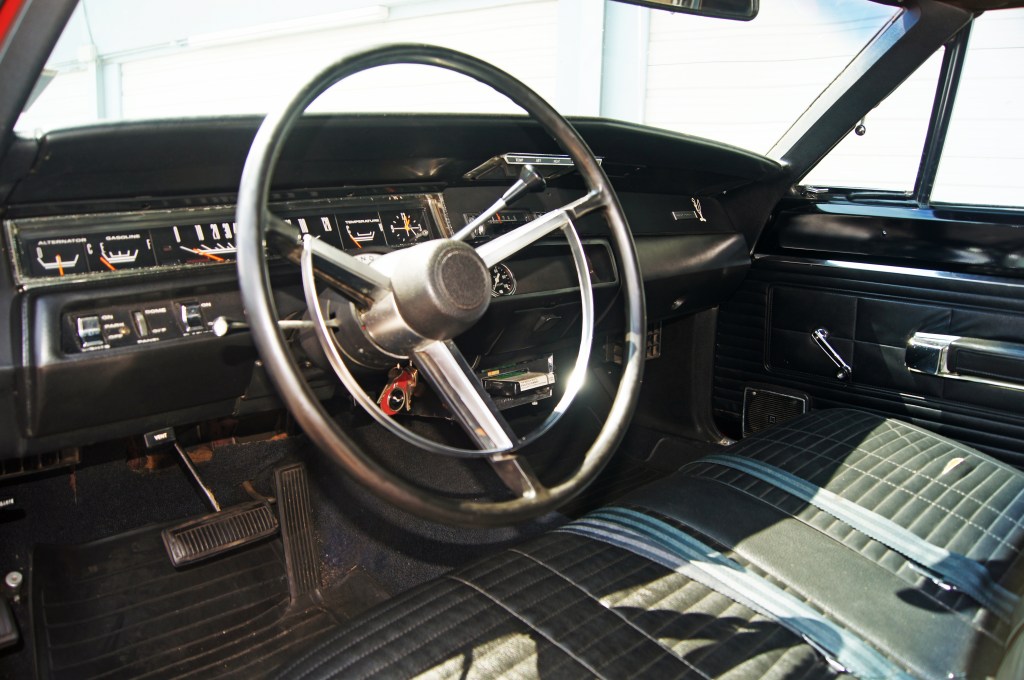
Inside, the Road Runner was as spartan as its mission. Bench seats came standard, though buckets were optional. The dashboard, which had basic gauges and minimal trim, was shared with the Belvedere. Do not expect air conditioning, power windows, or leather upholstery—those were left on the shelf to keep costs down.
But that was part of its charm. The Road Runner was not trying to coddle you. It gave you a steering wheel, a tachometer (if you were lucky), and a lot of noise from the engine bay. The standard rubber floor mats were one of the car’s defining traits—easy to clean after a hard night of racing.
Pricing and Market Strategy
What made the Road Runner revolutionary was not just its performance—it was its price. In 1968, the base Road Runner coupe started at just $2,896. That undercut many of its rivals by hundreds of dollars while offering superior acceleration.
The value proposition was unmatched. For under $3,000, buyers got a big-block V8, heavy-duty suspension, performance tires, and the most iconic horn in muscle car history. That formula worked. Plymouth initially had projected first-year sales of around 20,000 units. Instead, they sold over 45,000 Road Runners in 1968 alone.
Legacy and Influence
The 1968 Road Runner was not just a sales hit but a cultural touchstone. It proved that muscle did not have to mean money. It shifted the industry toward affordable performance and inspired competitors to offer stripped-down, performance-first models.
Even today, the Road Runner’s legacy is felt in cars like the Dodge Challenger R/T Scat Pack—a modern-day interpretation of a budget bruiser with immense power and minimal fluff.
Today, collectors prize the 1968 Road Runner for its originality, character, and historical importance. HEMI-equipped models are among the most desirable Mopars in the market, often commanding six-figure prices at auction.
Final Verdict
The 1968 Plymouth Road Runner was more than just another muscle car; it was a statement. It declared that speed, power, and fun did not have to come with a Cadillac price tag or be wrapped in luxury trim. It democratized the muscle car movement, making quarter-mile thrills accessible to the everyman.
With its burly looks, thunderous V8s, and minimalist vibe, the Road Runner reminded everyone that going fast was supposed to be fun—and maybe a little bit loud. In an era where cars are increasingly complex and disconnected, the 1968 Road Runner symbolizes when Detroit let its hair down and just went racing.

 Mopower Garage
Leave a comment