Published by Christopher J. Holley | Mopar History & Tech | January 2026
Style, Strategy, and the Rise, and Fall, of a Once-Ubiquitous Option
Walk through any Chrysler dealership lot in the late 1960s or 1970s and one detail was almost unavoidable: vinyl roofs. Chargers, Road Runners, Cordobas, New Yorkers, even Imperials, wore textured coverings that transformed painted steel into something meant to suggest luxury, status, and refinement. Chrysler did not embrace vinyl tops by accident. They were the result of deliberate marketing, manufacturing realities, and buyer psychology coming together at exactly the right moment.
The Luxury Illusion
By the mid-1960s, American buyers equated vinyl roofs with upscale automobiles. The look drew inspiration from convertibles, formal coachbuilt sedans, and European luxury cars, where fabric-covered roofs had long been associated with prestige. A vinyl top allowed Chrysler to give a hardtop coupe or sedan a “formal” appearance without the engineering cost of a convertible or the tooling expense of a unique roof stamping.
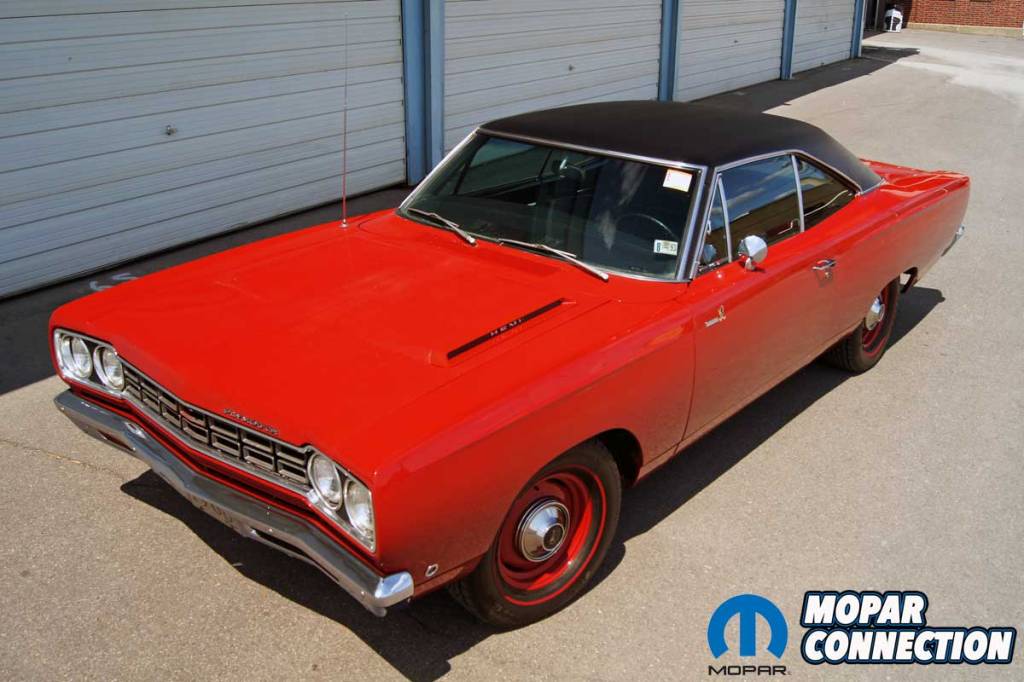
For Chrysler Corporation, particularly the Chrysler and Imperial divisions, vinyl roofs became a visual shorthand for success. Even performance models benefited. A Road Runner or Charger with a vinyl top could appeal to buyers who wanted muscle car presence without sacrificing a sense of refinement.
Manufacturing and Cost Advantages
Vinyl roofs also made sense on the factory floor. Large roof panels were difficult to stamp perfectly flat, and minor waviness, weld seams, or lead work could show through paint under certain lighting. A vinyl covering concealed those imperfections, reducing rework and improving yield.
From a financial standpoint, vinyl tops were ideal options. They were inexpensive to install, required minimal additional labor, and carried a high perceived value. Dealers loved them because they were easy to upsell, and Chrysler appreciated the profit margins, especially during years when corporate finances were under strain.
Climate and Practical Perception
In sunny regions, vinyl roofs were marketed as functional as well as stylish. They reduced glare, softened reflected heat, and gave buyers the impression of added insulation. Whether or not the benefits were substantial, the perception helped sell cars in warm-weather markets.
The Many Faces of Chrysler Vinyl Tops
Chrysler offered vinyl roofs in several configurations, often with upscale marketing names to match.
Full Vinyl Top
The most common style, covering the entire roof panel. It appeared across all Chrysler brands and body styles and defined the classic late-1960s and early-1970s Mopar look.
Half or Landau Top
Covering only the rear portion of the roof, typically paired with decorative landau bars and opera windows. This style became a hallmark of personal luxury cars like the Chrysler Cordoba and Dodge Monaco Brougham.
Canopy Vinyl Top
A more elaborate treatment that covered only the center roof panel, leaving the sail panels painted. Less common and more expensive, canopy tops were aimed squarely at buyers seeking maximum visual distinction during the mid-to-late 1970s.
Two-Tone Vinyl Tops
Contrasting colors, white vinyl over dark paint or black vinyl over metallic finishes, were especially popular in the 1970s, reinforcing the luxury image Chrysler was cultivating.
Textured and Patterned Vinyl
Chrysler used several grain styles over the years, including Levant, Elk, and Coach grain, subtly updating textures to mirror interior trim trends.
The Peak and the Decline
Vinyl roofs reached their height between 1966 and 1979, when they appeared on a majority of Chrysler’s upscale offerings and even many performance models. By the late 1970s, however, tastes were shifting. Buyers began favoring cleaner, more modern styling, and vinyl roofs increasingly carried an “old-fashioned” reputation.
There were practical reasons for the decline as well. Vinyl tops trapped moisture, accelerating roof corrosion, especially in northern climates. As paint quality and stamping precision improved, the manufacturing advantages of vinyl disappeared. Aerodynamics also became a priority in the 1980s, and textured roofs worked against smooth airflow.
By the mid-to-late 1980s, vinyl roofs had vanished from most Chrysler products. A few holdouts, such as early-1980s Fifth Avenue and New Yorker models, carried the torch briefly, but by around 1990 the vinyl roof was effectively extinct outside of limousines and specialty coach conversions.
Vinyl Tops Today: Restoration Reality
For restorers, vinyl roofs remain a double-edged sword. They are historically correct for many late-1960s and 1970s Mopars and instantly place a car in its era. At the same time, they are notorious for hiding rust and moisture damage beneath otherwise pristine surfaces.
Some restorations retain the look with improved sealing techniques. Others omit the vinyl entirely in favor of longevity and clean lines. Either choice reflects a balance between authenticity and practicality, just as Chrysler once balanced style, cost, and consumer desire.
Love them or hate them, vinyl tops were a defining feature of Chrysler’s most influential decades, and their legacy remains stitched into the visual identity of classic Mopar design.
 Mopower Garage
Leave a comment