Published by Christopher J. Holley | Mopar History & Tech | January 2026
Engine oil picks up:
- Metal wear particles
- Carbon soot
- Dirt and dust
- Oxidation byproducts (sludge, varnish)
The oil filter captures these contaminants while allowing clean oil to circulate under pressure to bearings, camshafts, turbochargers, and valvetrain components.
If the filter fails or clogs:
- Oil flow can be restricted
- Bearings can starve
- Engine wear accelerates rapidly
Main Types of Automotive Oil Filters
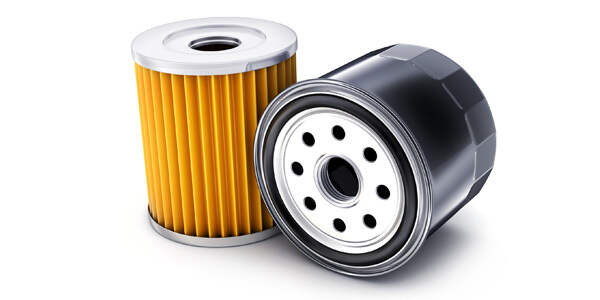


1. Spin-On Filters (Most Common)
- Self-contained metal can
- Screw directly onto engine block
- Includes filter media, bypass valve, and anti-drainback valve
- Easy and quick to replace
Pros: Simple, inexpensive
Cons: Entire unit discarded each change
2. Cartridge Filters
- Replaceable filter element only
- Housed in a permanent plastic or metal housing
- Common in European and newer vehicles
Pros: Less waste, easier inspection
Cons: More sensitive to incorrect installation
3. Magnetic Filters
- Use magnets to attract ferrous metal particles
- Often supplemental rather than primary filtration
Pros: Captures metal wear debris
Cons: Does not trap non-metal contaminants
4. Centrifugal Filters (Rare in Passenger Cars)
- Use centrifugal force to separate contaminants
- Common in heavy-duty diesel engines
Internal Anatomy of an Oil Filter

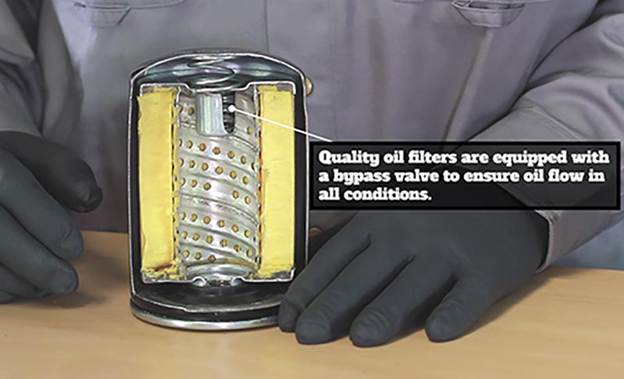
Key Components
- Filter Media
- Paper (cellulose)
- Synthetic
- Blended
- Bypass Valve
- Opens if filter is clogged or oil is too thick (cold starts)
- Anti-Drainback Valve
- Prevents oil from draining back when engine is off
- Reduces dry starts
- End Caps
- Metal or fiber; metal is more durable
- Center Tube
- Structural support for oil flow
- Gasket
- Seals filter to engine block
Filter Media Types
Cellulose (Paper)
- Traditional
- Filters larger particles (≈20–40 microns)
- Lower cost
- Shorter service life
Synthetic
- Uniform fiber structure
- Filters smaller particles (≈10–15 microns)
- Higher dirt-holding capacity
- Ideal for extended oil change intervals
Blended Media
- Balance of cost and performance
- Most mid-range filters use this
Micron Rating (Filtration Precision)
- 1 micron = 0.001 mm
- Human hair ≈ 70 microns
Typical automotive oil filters:
- Standard: 20–40 microns
- Premium synthetic: 10–15 microns
- Racing/high-performance: sometimes looser to ensure flow
Smaller micron rating = better filtration, but flow must still meet engine requirements.
Bypass Valve: Why “Unfiltered Oil” Is Better Than No Oil
When oil is:
- Cold and thick
- Filter is clogged
- High RPM demands exceed flow capacity
The bypass valve opens to prevent oil starvation.
This is normal and intentional—not a defect.
Anti-Drainback Valve (ADBV)
- Usually silicone (better) or nitrile rubber
- Critical for engines with:
- Overhead cams
- Oil filters mounted horizontally or upside down
A failed ADBV can cause:
- Startup rattles
- Delayed oil pressure
Oil Filter Lifespan
Depends on:
- Filter quality
- Oil type
- Driving conditions
- Engine condition
Typical intervals:
- Conventional oil: 3,000–5,000 miles
- Synthetic oil: 7,500–15,000 miles (with high-quality filter)
Never reuse an oil filter.
OEM vs Aftermarket Filters
OEM filters
- Designed for specific engine oil flow and pressure
- Often very good quality
Aftermarket filters
- Range from budget to high-performance
- Some exceed OEM specs; others cut corners
Key differences may include:
- Media quality
- Valve materials
- Can thickness
- Burst pressure rating
High-Performance & Racing Filters
Designed for:
- Higher flow rates
- High RPM engines
- Turbocharged systems
Trade-offs:
- Often less filtration precision
- Shorter service intervals
Common Oil Filter Problems
- Wrong filter size or thread pitch
- Double-gasket installation (old gasket stuck)
- Over-tightening (damages gasket or housing)
- Cheap filters collapsing internally
- Bypass valve stuck open
Signs of a Bad or Clogged Filter
- Low oil pressure warning
- Engine knocking or ticking
- Dirty oil immediately after change
- Oil leaks at filter
Environmental Considerations
- Spin-on filters retain used oil
- Must be drained and recycled properly
- Cartridge filters reduce metal waste
Choosing the Right Oil Filter
Consider:
- Manufacturer specifications
- Oil change interval
- Driving style (short trips vs highway)
- Engine type (turbo, high-revving, diesel)
- Oil type (synthetic vs conventional)
 Mopower Garage
Leave a comment