
Published by Christopher J. Holley | Mopar History & Tech | March 2026
There is a certain satisfaction that comes from getting a carburetor exactly right. Not close. Not acceptable. Precisely right. When working with a Carter carburetor, that level of precision begins with a component that is often overlooked: the float height.
It is easy to ignore because it is hidden beneath the air horn and lacks the visual appeal of polished linkage or fuel lines. However, the float controls the fuel level inside the bowl, which directly affects how the engine runs. An incorrect setting will lead to drivability problems, while a correct setting provides a stable foundation for all other tuning adjustments.
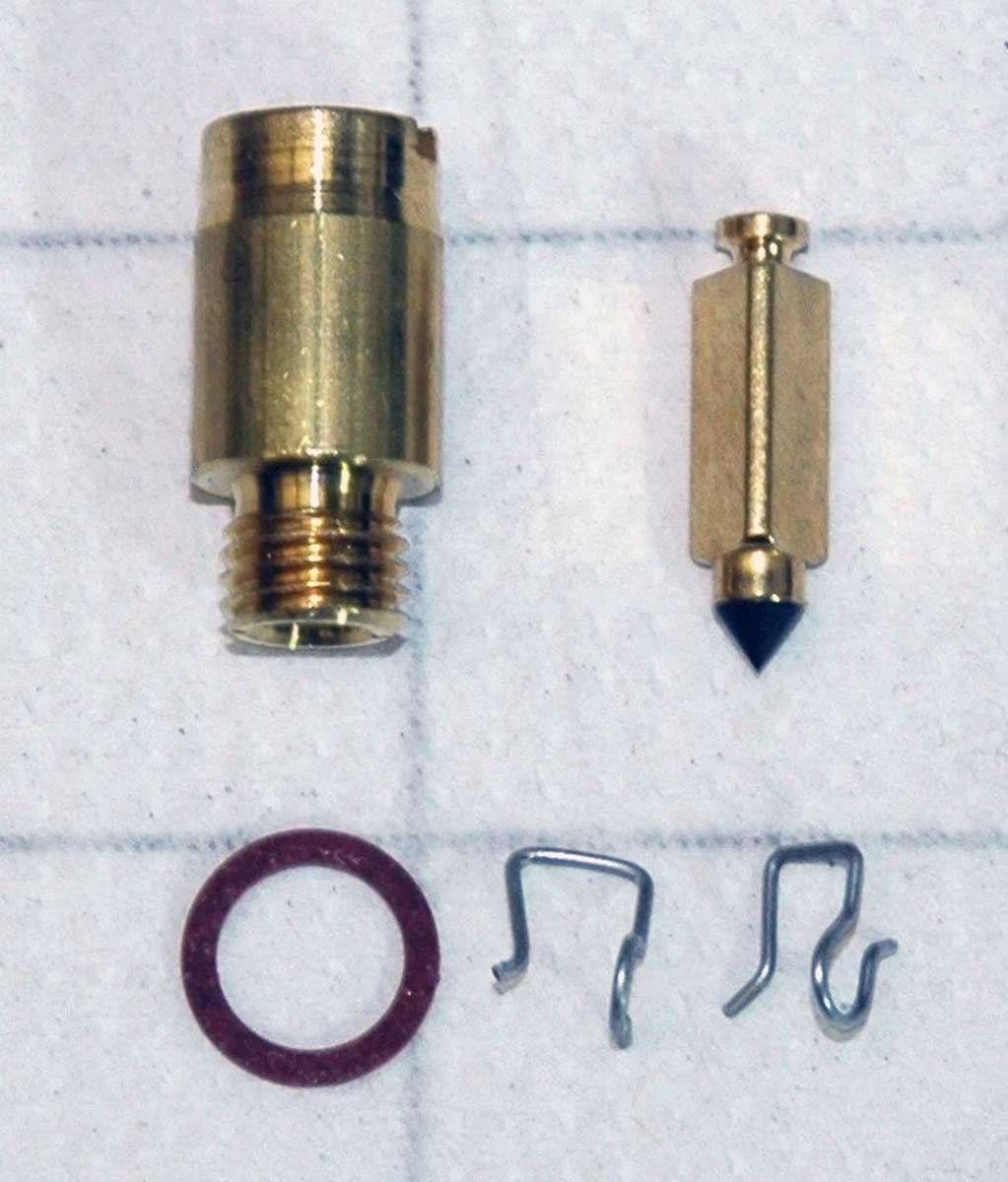
Unlike a Holley carburetor, where float adjustments can often be made externally, Carter carburetors require internal access. This means removing the air horn to expose the float assembly. Once inside, the simplicity of the design becomes clear. The float rises and falls with the fuel level, opening and closing the needle and seat to regulate fuel flow into the bowl.
The critical step in the process is measuring the float height. With the air horn inverted, the float rests lightly against the needle. It is important not to compress any spring-loaded mechanism that may be present. Using a machinist scale or float gauge, the distance is measured from the surface of the gasket to the highest point of the float. This measurement is typically around one quarter of an inch, though the exact specification depends on the specific carburetor model.
This small measurement has a significant impact. If the float height is set too high, the fuel level rises excessively, leading to a rich condition. This can cause flooding, rough idle, and poor fuel control. If the float height is too low, the engine may not receive enough fuel under load, resulting in hesitation, stumbling, or loss of power.
Adjustment is made by carefully bending the small tab on the float arm that contacts the needle. Bending the tab downward lowers the float and raises the fuel level. Bending it upward raises the float and lowers the fuel level. The change required is minimal, and precision is essential. Even a slight adjustment can produce noticeable results.
Float drop is equally important and is often neglected. With the air horn in its normal position, the float is allowed to hang freely. This measurement determines how far the needle opens and how quickly the bowl can refill during periods of high fuel demand. If the drop is insufficient, the engine may experience fuel starvation at higher speeds. If it is excessive, the needle may become unstable or stick.
Once the adjustments are complete, the carburetor is reassembled and returned to service. The results are immediately noticeable. A properly set float level improves idle quality, enhances throttle response, and provides consistent fuel delivery across operating conditions.
In performance applications, such as drag racing, tuners may slightly lower the float level to help control fuel movement during hard launches. This adjustment can improve consistency and prevent momentary flooding caused by fuel slosh.
The importance of float height adjustment remains significant, even in an era dominated by electronic fuel injection. The Carter carburetor rewards careful attention to detail, and the float system is a prime example of that principle. While it is not visible once assembled, its influence is present in every aspect of engine operation.
A properly adjusted float ensures that the engine receives the correct amount of fuel at the correct time. That precision is what separates a merely running engine from one that performs with consistency and confidence.
 Mopower Garage
Leave a comment