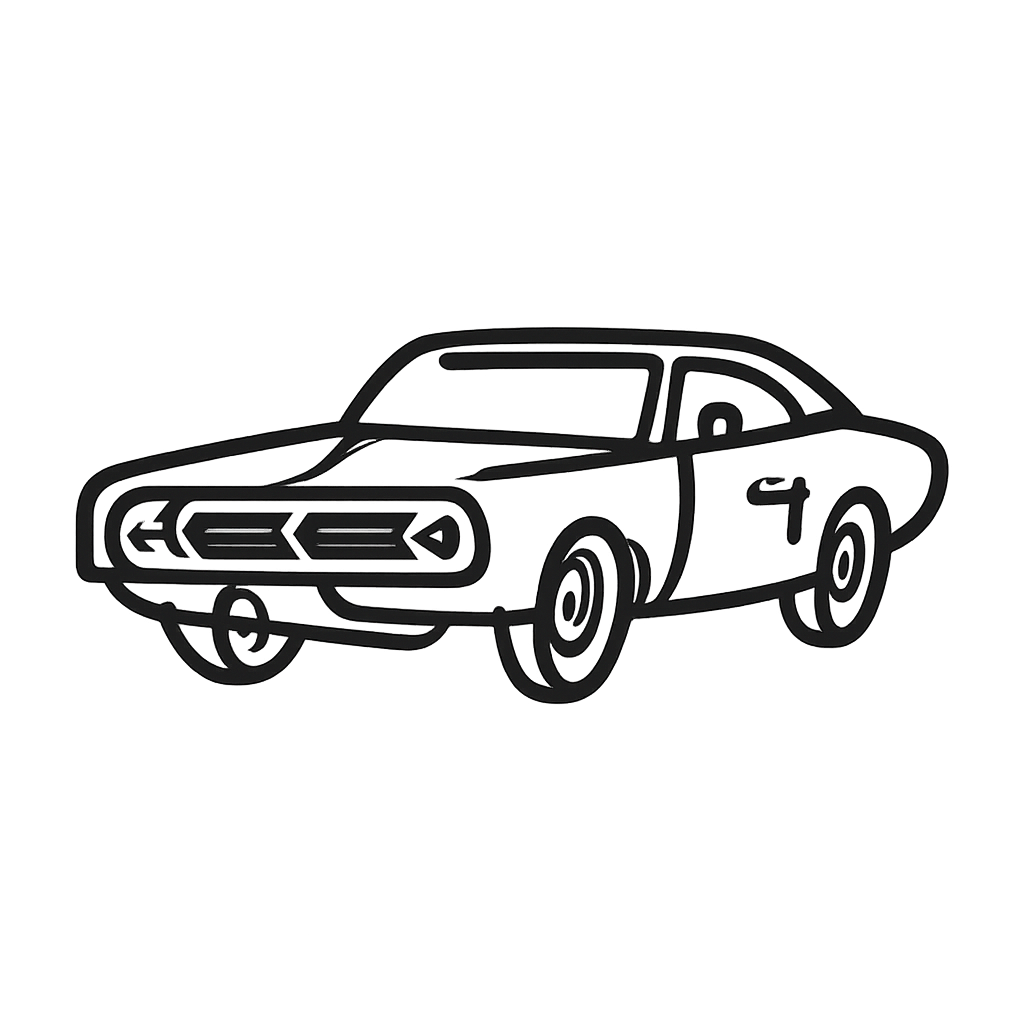
- The 1968 Plymouth Road Runner Hemi: Raw Muscle, Pure Excitement
- Header Primary and Collector Lengths
- Downflow Versus Crossflow Radiators: Understanding Engine Cooling
- Half In, Half Out
- Flat-Rate, Hourly, or Salary? Navigating Tech Pay in the EV Era
- Strut-SLA Front Steering Geometry
- The Ultimate Pinewood Derby Championship Build
- The Little Gauge That Measured Big Stops
- Driven by Flow: Inside the Engine Water Pump
- Anatomy of a Cam Lobe
- Power Probe Diagnostics: A Shortcut to the Truth or a Fast Track to Trouble?
- A Mechanical Fuel Pump Primer
- Super CAN Bus Overview
- A Historical Perspective of the Electronic Ignition
- Testing a Fresh Valve Job with a Vacuum Pump
- Data from a Vintage Stewart-Warner Oil Pressure Gauge on Our 1968 Road Runner
- What Multimeter is Best for an Automotive Technician?
- 1974: When Your Mopar Decided If You Were Ready to Drive
- Does Camshaft Location Have any Influence on Stroker Crankshaft Selection?
- Add 10 Horsepower with an Intake and Carb Spacer
- Chrysler Super Six: The Late-Blooming Slant Six That Finally Got Its Due
- Why Chrysler Used Two Bolt Patterns During the Muscle Car Era
- What Cut-Open Filter Analysis Tells You
- Why the Two-Post Lift Remains the Backbone of the Modern Shop
- Why Chrysler Put a Vinyl Roof on Everything
- Dodge Dart Drag Shock Setup – Full Guide
- Not a Mistake the Engineering Logic Behind Chrysler’s Dual Bolt Patterns
- Why Chrysler Used Left-Hand Threaded Lug Nuts
- Get to Know Your Pinion
- Optimizing Exhaust Performance: The Role of Headers, Stepped Headers, Merge Collectors, and Collector Extensions in Engine Efficiency
- How Float Level Shapes Every Carburetor Circuit
- The Six Circuits of a Performance Carburetor
- Reading an Engine’s Intent: Using a Dual Vacuum Gauge for Manifold and Ported Vacuum
- Why Chrysler Ignition Systems Used a Ballast Resistor—And How Technicians Can Test It Today
- Why CalTracs Work So Well
- Why the 1968 Hemi Road Runner Stopped with Drums
- Harnessing the Pulse: How Exhaust Waves and Bifurcation Angles Build Power
- Why True TDC and Cam Degreeing Matter More Than Lining Up the Dots
- A Cartoon Bird Meets a Muscle Car
- When Chrysler’s Engineers Set Out to Build a Small Block for the Street, They Accidentally Built a Legend.
- The 1968 Plymouth Road Runner: The Muscle Car That Brought the Fun Back
- What Does “Mopar” Really Mean?
- Crowning Glory the 426 – Hemi Head Power Precision and Perfection
- The Heartbeat of the Elephant: Inside the 1968 Hemi Camshaft
- Reading the DNA: What a Mopar Broadcast Sheet Really Tells You
- The Mopar Edge: Chrysler’s Torsion-Bar Suspension in the Muscle Car Wars
- Suddenly, It’s 1960: The Spectacle of Mopar’s Forward Look
- The Gear Wars – Why the Dana 60 and Ford 9-Inch Still Rule
- The Ups and Downs of Mopar’s Torsion Bar Suspension
- Why Chrysler’s Rear Leaf Springs Left the Competition Spinning
- The Best Mopar Engine Combos in NHRA Stock Eliminator History
- Why the 426 Hemi Still Reigns Supreme – 60 Years Later
- Why Build a Mopar Stroker Engine
- Scavenging Secrets: How Mopar Cylinder Heads Make Power After the Bang
- Balancing Act: How Wheel Balancing Has Changed Since the 1950s
- What it took to Own a Hemi in ’68
- Dodge’s Street Brawler: The Rare and Rowdy 1968 440 Dart
- Screw a Set of Champions in Your Mopar
- Chrysler’s V2 and RV2 Compressors: A Look Back at Mopar’s Coolest Tech
- What is Piston Speed
- Carburetor Circuits & Holley vs. Edelbrock Comparison
- The Truth About Mopar Radiators: Overheating Myths and the Real Fix
- Hemi Time – Comparing 354, 392, 426 and Late-Model Hemi Engines
- Tech – What is Rod Ratio?
- The Small-Block That Punched Above Its Weight
- Mr. Norm and Grand Spaulding Dodge: The Dealer Who Outran Detroit
- The 1968 Plymouth Road Runner: A Muscle Car Built for the Masses
 Mopower Garage