Published by Christopher J. Holley | Mopar History & Tech | August 2025
From NASCAR domination to modern-day muscle car legend, here is why Chrysler’s 426 Hemi remains one of the most desired engines in automotive history.
What Made the 426 Hemi So Desired in the 1960s, and Still Today?
The 426 Hemi is not just an engine; it is an icon. Born in the heat of competition and baptized in speed, the “Elephant Engine” became one of the most respected and sought-after V8s ever built. Whether you are a Mopar loyalist or just love American muscle, there is no denying the pull of the Hemi mystique.
So, what exactly made the 426 Hemi so legendary then, and why does it still command reverence today?
Built for Victory: Racing Roots
The 426 Hemi was never meant to be tame. Chrysler developed it in 1964 for one reason: to win in NASCAR. With high-flowing heads, massive ports, and a block built to take abuse, it was pure race engineering.
At the 1964 Daytona 500, the Hemi finished 1st, 2nd, and 3rd. That kind of dominance led to it being temporarily banned from NASCAR, as proof that it was too good for the competition.
Hemispherical Combustion Chambers = Power
The term “Hemi” refers to the engine’s hemispherical combustion chambers. Unlike wedge designs, these chambers allowed:
- Larger valves
- More efficient airflow
- Improved combustion
The result? Higher horsepower and torque, especially at higher RPMs. It was a head design that favored breathing, and breathing meant winning.
Street Legal, Barely Tamed
To satisfy racing homologation rules, Chrysler began offering the 426 Hemi in street cars starting in 1966. Though “detuned,” it still packed a brutal punch, rated at 425 horsepower but widely believed to produce much more.
It found its way into muscle car legends like:
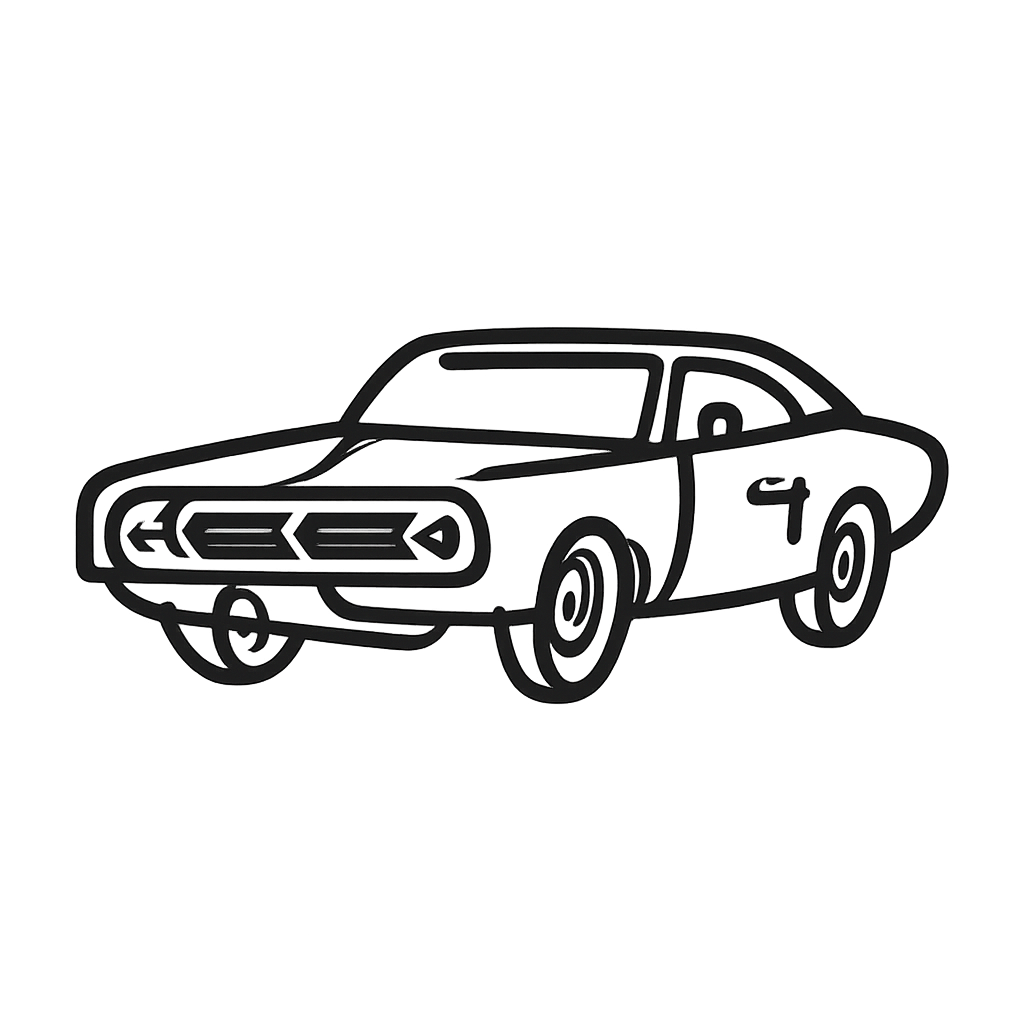
- Plymouth Road Runner, GTX, and Barracuda
- Dodge Charger, Coronet R/T, Super Bee, and Challenger
With dual four-barrel carbs, aggressive cam profiles, and unmistakable black or chrome valve covers, the street Hemi was more beast than boulevard cruiser.
Drag Strip Dominance
Beyond the oval, the Hemi became the engine in NHRA drag racing. From altered wheelbase cars to Super Stock and eventually Funny Cars, the Hemi ruled.
Even today, Top Fuel and Funny Car engines still utilize a variation of the original Hemi head design, a testament to its enduring performance potential.
Rarity Breeds Desire
Between 1966 and 1971, fewer than 11,000 street Hemis were produced. That scarcity, combined with its race-bred reputation, turned the 426 into a blue-chip collector’s item.
In auctions and car shows, “Hemi” is not just a trim level; it is a golden ticket. Cars equipped with a 426 Hemi routinely fetch premiums far exceeding those of their non-Hemi siblings.
The Legacy Lives On
The legend did not end in the ’70s. Chrysler revived the Hemi name with its Gen III engine family in the early 2000s. The modern 5.7L, 6.4L (392), and 6.2L supercharged Hellcat engines all carry forward that heritage.
No, they are not hemispherical combustion chambers anymore, but the spirit remains: big torque, bold power, and unmistakable identity.
Final Thoughts: The Engine That Refused to Die
The 426 Hemi is more than just an engineering marvel; it is a symbol of American ingenuity, rebellion, and relentless performance. From high banks to backroads, from show floors to strip passes, the Hemi is still the engine everyone knows by name.
And even 60 years later, nothing says muscle quite like those four letters: H-E-M-I.
Have a 426 Hemi story?
Drop a comment below or share a photo of your Mopar beast. Let us celebrate one of the most iconic engines ever built.
What Made the 426 Hemi So Desired in the 1960s, and Still Today?
The 426 Hemi is not just an engine, it is an icon. Born in the heat of competition and baptized in speed, the “Elephant Engine” became one of the most respected and sought-after V8s ever built. Whether you are a Mopar loyalist or just love American muscle, there is no denying the pull of the Hemi mystique.
So, what exactly made the 426 Hemi so legendary then, and why does it still command reverence today?
Built for Victory: Racing Roots
The 426 Hemi was never meant to be tame. Chrysler developed it in 1964 for one reason: to win in NASCAR. With high-flowing heads, massive ports, and a block built to take abuse, it was pure race engineering.
At the 1964 Daytona 500, the Hemi finished 1st, 2nd, and 3rd. That kind of dominance got it temporarily banned from NASCAR, proof it was too good for the competition.
Hemispherical Combustion Chambers = Power
The term “Hemi” refers to the engine’s hemispherical combustion chambers. Unlike wedge designs, these chambers allowed:
- Larger valves
- More efficient airflow
- Improved combustion
The result? Higher horsepower and torque, especially at higher RPMs. It was a head design that favored breathing, and breathing meant winning.
Street Legal, Barely Tamed
To satisfy racing homologation rules, Chrysler began offering the 426 Hemi in street cars starting in 1966. Though “detuned,” it still packed a brutal punch, rated at 425 horsepower but widely believed to produce much more.
It found its way into muscle car legends like:
- Plymouth Road Runner, GTX, and Barracuda
- Dodge Charger, Coronet R/T, Super Bee, and Challenger
With dual four-barrel carbs, aggressive cam profiles, and unmistakable orange valve covers, the street Hemi was more beast than boulevard cruiser.
Drag Strip Dominance
Beyond the oval, the Hemi became the engine in NHRA drag racing. From altered wheelbase cars to Super Stock and eventually Funny Cars, the Hemi ruled.
Even today, Top Fuel and Funny Car engines still use a variation of the original Hemi head design, proof of its enduring performance potential.
Rarity Breeds Desire
Between 1966 and 1971, fewer than 11,000 street Hemis were produced. That scarcity, combined with its race-bred reputation, turned the 426 into a blue-chip collector’s item.
In auctions and car shows, “Hemi” is not just a trim level, it is a golden ticket. Cars equipped with a 426 Hemi routinely fetch premiums far beyond their non-Hemi siblings.
The Legacy Lives On
The legend did not end in the ’70s. Chrysler revived the Hemi name with its Gen III engine family in the early 2000s. The modern 5.7L, 6.4L (392), and 6.2L supercharged Hellcat engines all carry forward that heritage.
No, they are not hemispherical combustion chambers anymore, but the spirit remains: big torque, bold power, and unmistakable identity.
Final Thoughts: The Engine That Refused to Die
The 426 Hemi is more than just an engineering marvel, it is a symbol of American ingenuity, rebellion, and performance at all costs. From high banks to backroads, from show floors to strip passes, the Hemi is still the engine everyone knows by name.
And even 60 years later, nothing says muscle quite like those four letters: H-E-M-I.
Have a 426 Hemi story?
Drop a comment below or share a photo of your Mopar beast. Let us celebrate one of the most iconic engines ever built.

 Mopower Garage
Leave a comment